Our CEO named to Forbes Korea 30 Under 30
March 2026

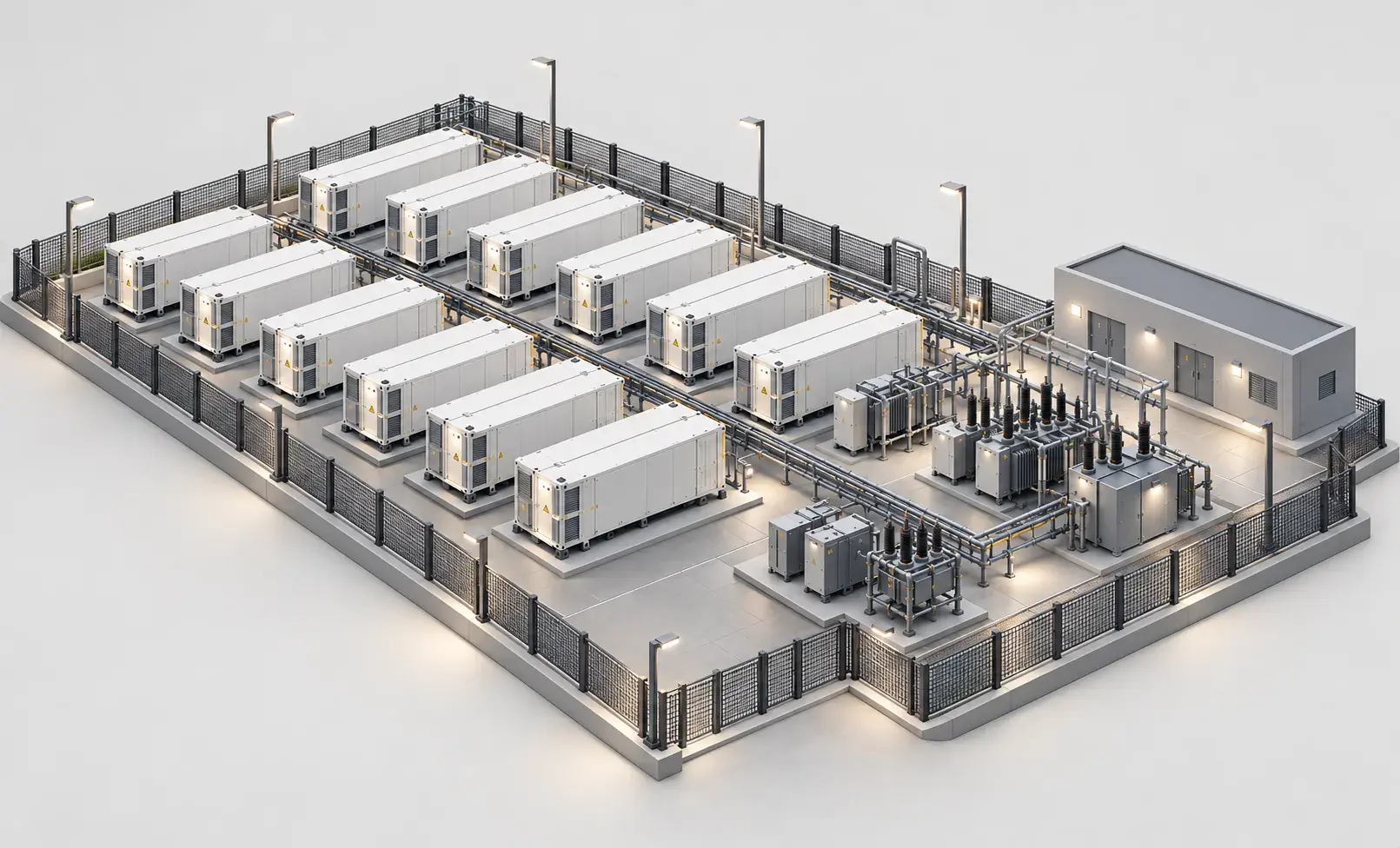
Every vendor and every model ships a different BMS, each sending its signals to its own screen. Unless anomaly signals come together on one screen, an incident cannot be stopped in advance, and a battery fire cannot be undone once it has started.
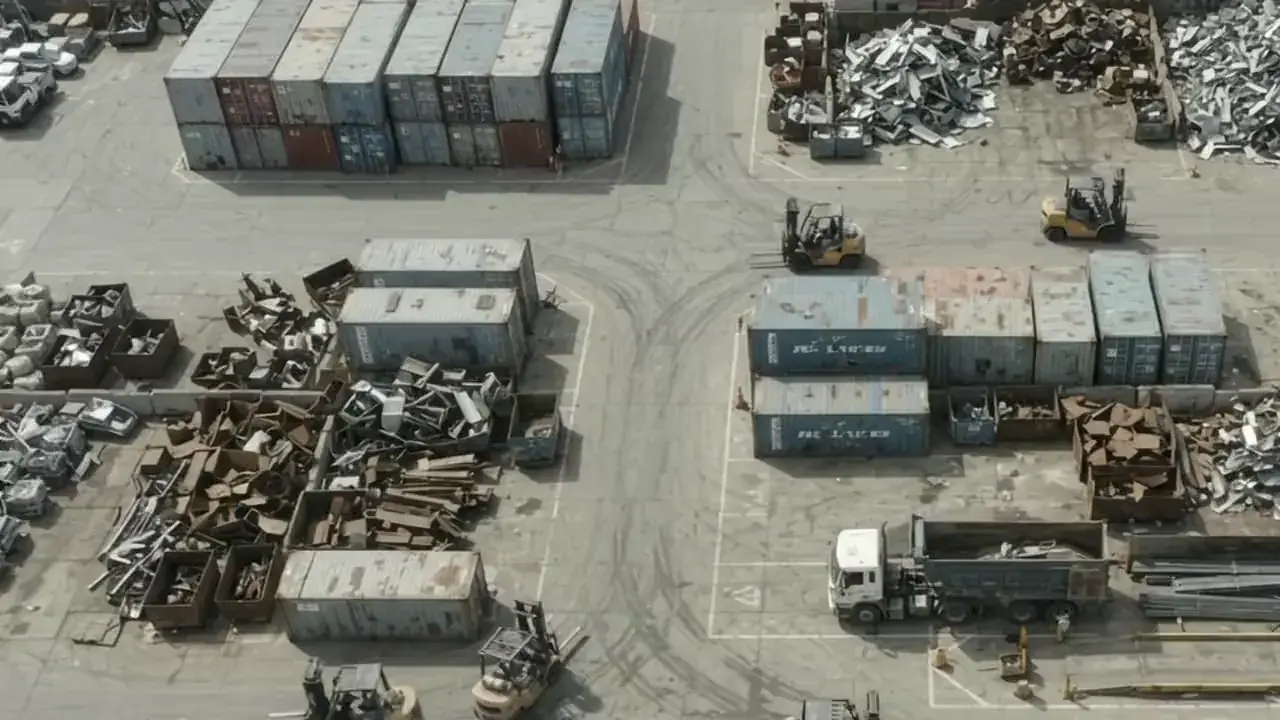
LOT records, costs, inventory, and audit documents are scattered across separate systems. Responding to an R2 audit takes someone more than ten hours a week of reconciling by hand, and a single failed response leads to a suspended certification and lost contracts.
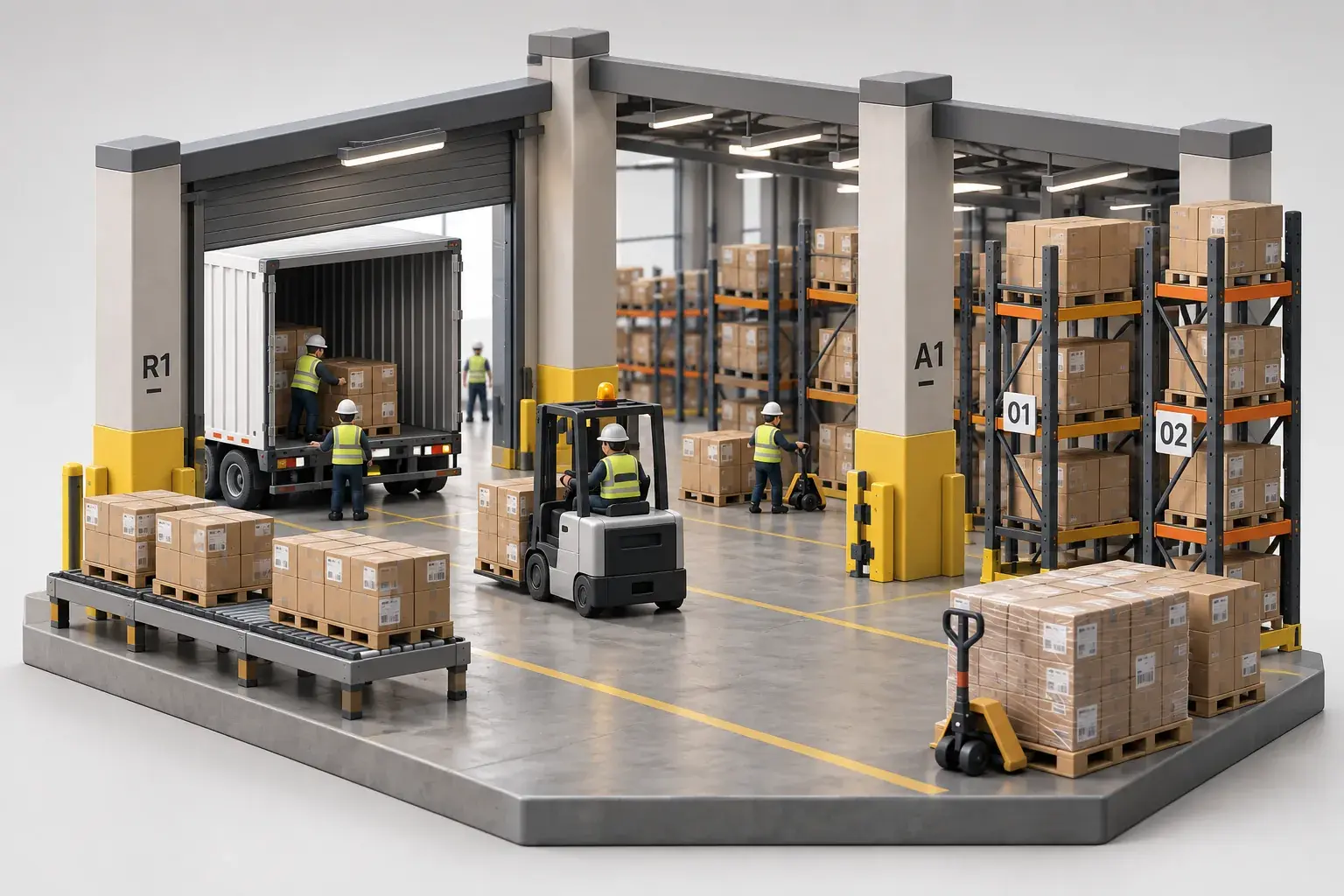
Your site runs on a mix of existing systems and equipment of every kind. With data scattered outside those systems, operations lose efficiency and problems are slow to answer when they arise.
Different domains, the same cause: the data sits outside the system.
Joodra OS does not replace your existing systems. It runs one level above them, inheriting their data. A 4-Layer Pipeline collects the data, defines it, observes it, and automates on top of it.
On top of the Ontology, AI carries out the workflow itself. It generates audit documents, judges anomalies and responds to them, and takes repetitive work off people’s hands.
Watches the industrial site on one screen. Detects problems before they occur and, where needed, takes control directly.
Defines the collected data as entities, relationships, and rules. This is where the company’s real workflow is defined as structure.
Absorbs your existing data and collects scattered site data into a single schema. Data that sat outside the systems is brought inside.
Existing systems
ERP · asset management · BMS · process equipment. Left in place, not replaced.
Joodra OS’s 4-Layer Pipeline applies to every site in the same way. The OS itself, however, is implemented differently for every company, because that site’s equipment, processes, and approach to regulation are applied to it as they are.
A different site means different Data and different Monitoring built on top of it. Rather than bending a general-purpose product to fit the company, we define the structure of that site as an Ontology and build the layers on top of it.
Defining an industrial site as data means seeing its workflow firsthand. Requirements gathered away from the floor do not produce an operating environment the floor actually uses.
Our engineers go to the site themselves. They observe how work flows, interview the people doing it, and study the domain on their own. We call this the FDE (Forward Deployed Engineer) model.
Joodra OS is applied across many domains, providing operating environments on industrial sites in South Korea and the United States.
Collects data from site equipment to observe condition and performance, detect anomalies, and respond with control.
Rail · transit infrastructure UPS
Tracks and analyzes site workflows in real time to deliver an automated operating environment.
ITAD · e-waste recycling
An R2-certified ITAD operator in the US
KORAIL UPS batteries
In real daily work
Battery sites
Cumulative over eight months
No detection led to an incident
Measured at Client P
A general-purpose ERP usually takes 6–12
Total data observed
130,244